
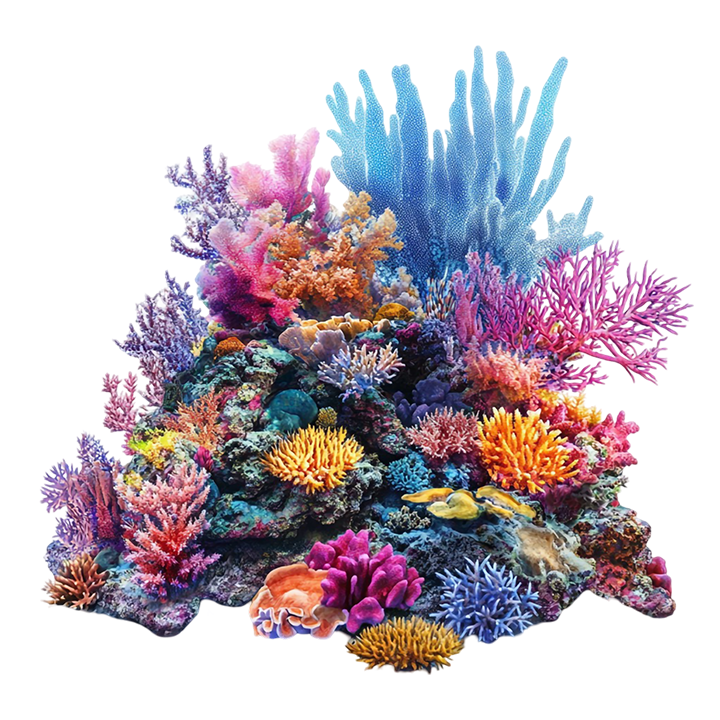

Seasonal Coral Bleaching in the Caribbean
We all know it has been a very hot summer; in fact according to U.S. National Centers for Environmental Prediction, July 4, 2023 may have been one of the hottest days on Earth in about 125,000 years.
If you think you have been suffering, you need to take a look at the oceans and the seas. Ocean temperatures are rising as well and much of marine life is sensitive to temperature, especially coral reefs, which are the foundation for near shore marine life. If temperatures become too hot, corals begin to turn white, which is referred to as bleaching, and can lead to death.
Unfortunately some areas have already started feeling the impact of the warmer waters. Organizations such as Coral Restoration Foundation, based in the Florida Keys, and Fragments of Hope, based in Belize, have reported bleaching events that threaten coral populations.
Our Response
Only through strong coral monitoring and restoration programmes can we mitigate the effects of bleaching on live coral populations. This would be done by identifying the most heat tolerant colonies and focusing restoration efforts on those specific corals in order to help increase their genetic footprint.
Our team actively monitors water temperatures and coral health in the Port Royal Cays, documenting any signs of stress or bleaching and taking action to protect vulnerable colonies.